
Expertly Designed ADUs.
Effortlessly Yours.
Effortlessly Yours.
How Our ADU Process Works
Building an ADU is exciting—and now easier than ever. Still, the process can feel overwhelming. That’s where we step in: with pre-designed layouts, streamlined finish packages, and upfront pricing that takes the guesswork out of building.
1. Check Your Lot
Enter your address to see zoning restrictions for your property & preview how our models fit.
2. Choose Your Model
Pick from four thoughtfully designed layouts built to fit different lifestyles.
3. Select Your Finishes
Streamlined packages curated by designers—stylish, durable, and stress-free.
5. Schedule Meeting/Build With Confidence
Our team will walk you through the next steps to get started on building your ADU.
Choose Your Permit-Ready ADU Model
Every New England Additions model is site-built using traditional methods and high-quality materials — no prefabricated components that compromise durability or customization. Our ADUs and home additions are built to last and tailored to your needs.
High-Quality Finishes for Your ADU or Home Addition
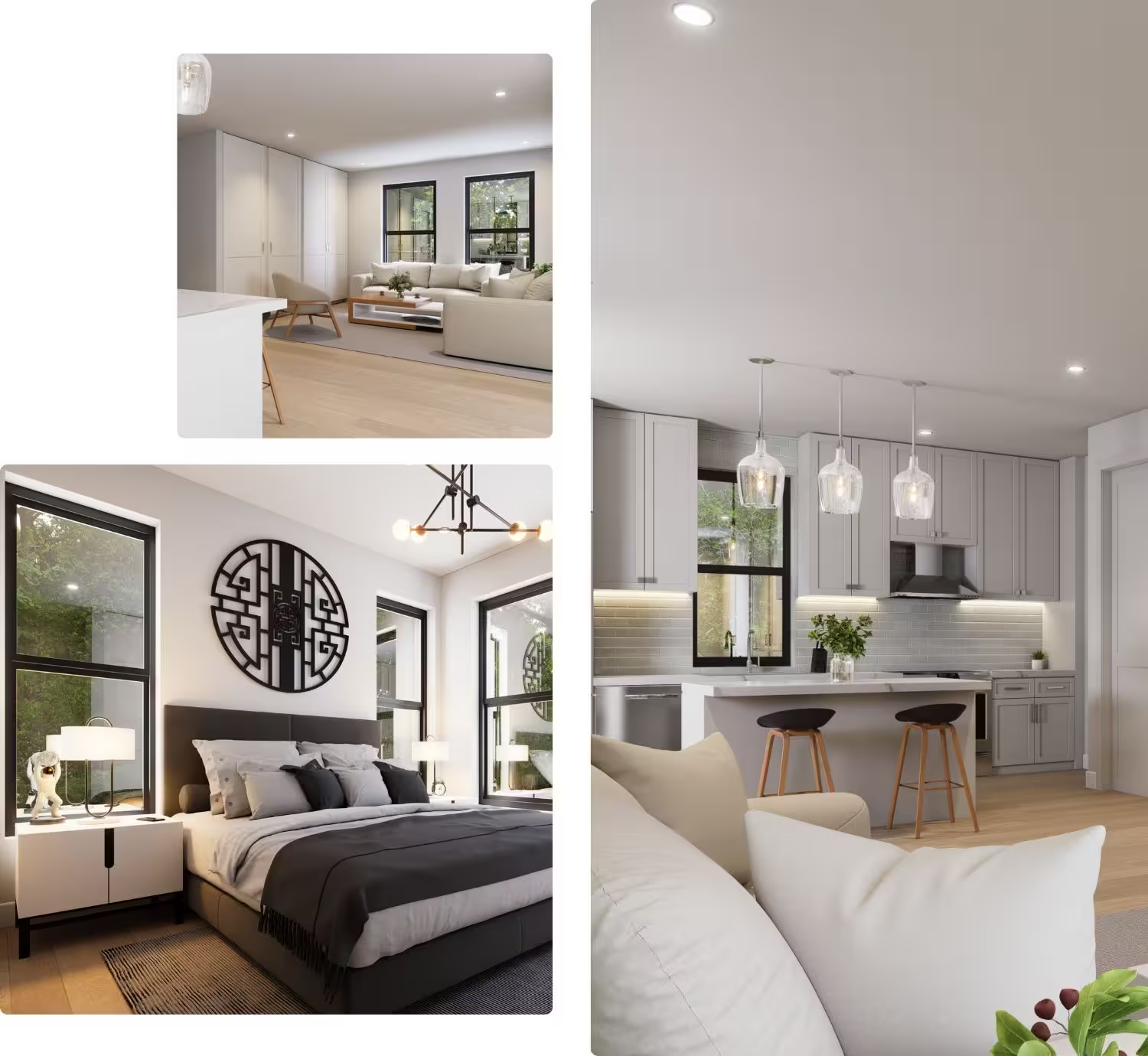
We’ve curated finishes that balance style, durability, and value—so your ADU feels timeless without the stress of endless choices.
- Siding – Low-maintenance, weather-resistant options that hold up year after year.
- Roofing – Durable shingles and metal choices designed for New England’s climate.
- Windows & Doors – Energy-efficient, high-performance products with clean lines.
- Flooring – Timeless hardwood that elevates every space.
- Cabinetry – Quality-built selections from classic shaker to modern flat-panel.
- Countertops – Quartz and stone finishes for durability and timeless appeal.
- Bath Fixtures – Trusted brands that combine style and long-term reliability.
- Lighting – Curated packages for warm, functional, and modern spaces.
ADU FAQs: Everything You Need to Know
1) What exactly is an ADU?
An ADU (Accessory Dwelling Unit) is a self-contained home—detached, attached, or built within your existing space—on the same lot as your primary house.
2) Are ADUs legal in Massachusetts?
Yes—since Feb 2, 2025, state law allows ADUs up to 900 sq ft (or 50 % of your home, whichever is smaller) to be built by right in single-family zones. Municipalities cannot block them but may apply reasonable local rules.
3) Can my town impose additional rules?
Only reasonable ones. They may apply regulations related to setbacks, height, site plans, and even restrict short‑term rentals—but cannot mandate owner occupancy, set minimum lot sizes, cap bedrooms, require unnecessary parking, or use special permits to block ADUs.
4) Do I need a building permit—and can I DIY?
Yes, permits are required. You can do some of the work yourself if you file the required exemptions—but any construction must still comply with codes, and larger projects typically need an architect and licensed general contractor.
5) Can I build an ADU on my property—and what basic rules apply?
Most homes can support an ADU, but specifics depend on local zoning and site conditions (setbacks, height, lot coverage, utilities, and parking). Start with our instant pre-feasibility check to see what’s likely possible on your lot; we confirm details during a formal site review.
6) How much does an ADU cost—and how can I finance it?
While it varies, converting internal space generally costs less. Detached ADUs typically fall between $250,000–$350,000. Having transparent package options helps you choose based on your budget and project goals. Homeowners commonly use HELOCs, cash-out refinancing, construction-to-perm loans, or savings; we can share lender introductions if helpful.
7) Can I rent my ADU (long-term vs. short-term)? Do I have to live on-site?
Long-term rentals are commonly permitted; short-term rental rules vary by municipality. Owner-occupancy requirements also depend on local ordinances. We’ll help you navigate the regulations in your specific town.
8) Does building an ADU boost my property value?
Yes. Properly built ADUs can increase your home’s value, add income potential, and attract buyers seeking flexibility or multigenerational options.
9) How do utility connections work (water, sewer, electric, gas)?
ADUs typically tie into existing utilities at the main house. Some sites need panel upgrades, new laterals, trenching, or separate meters—this is confirmed during design and the formal site visit. We handle utility coordination and include the work in your scope.
10) Do I need to update my septic system?
Maybe. It depends on your current Title V capacity. If insufficient, a system upgrade may be required—but municipalities can’t demand more than state law requires. text
11) How long does the process take?
Typical ADU timelines range 6–12 months end-to-end. The exact pace depends on municipal permitting, design complexity, site conditions, and build logistics. Choosing one of our pre-designed, code-ready models can reduce steps and significantly accelerate delivery.
12) What’s the first step if I’m interested in building an ADU?
Start with our pre-feasibility review: confirm what’s allowed on your lot (zoning, setbacks, utilities), pick a model that fits your budget, and map a preliminary timeline. You’ll know exactly what’s possible before design or permitting.