
Why Building an ADU in Massachusetts Is a Smart Investment in 2025

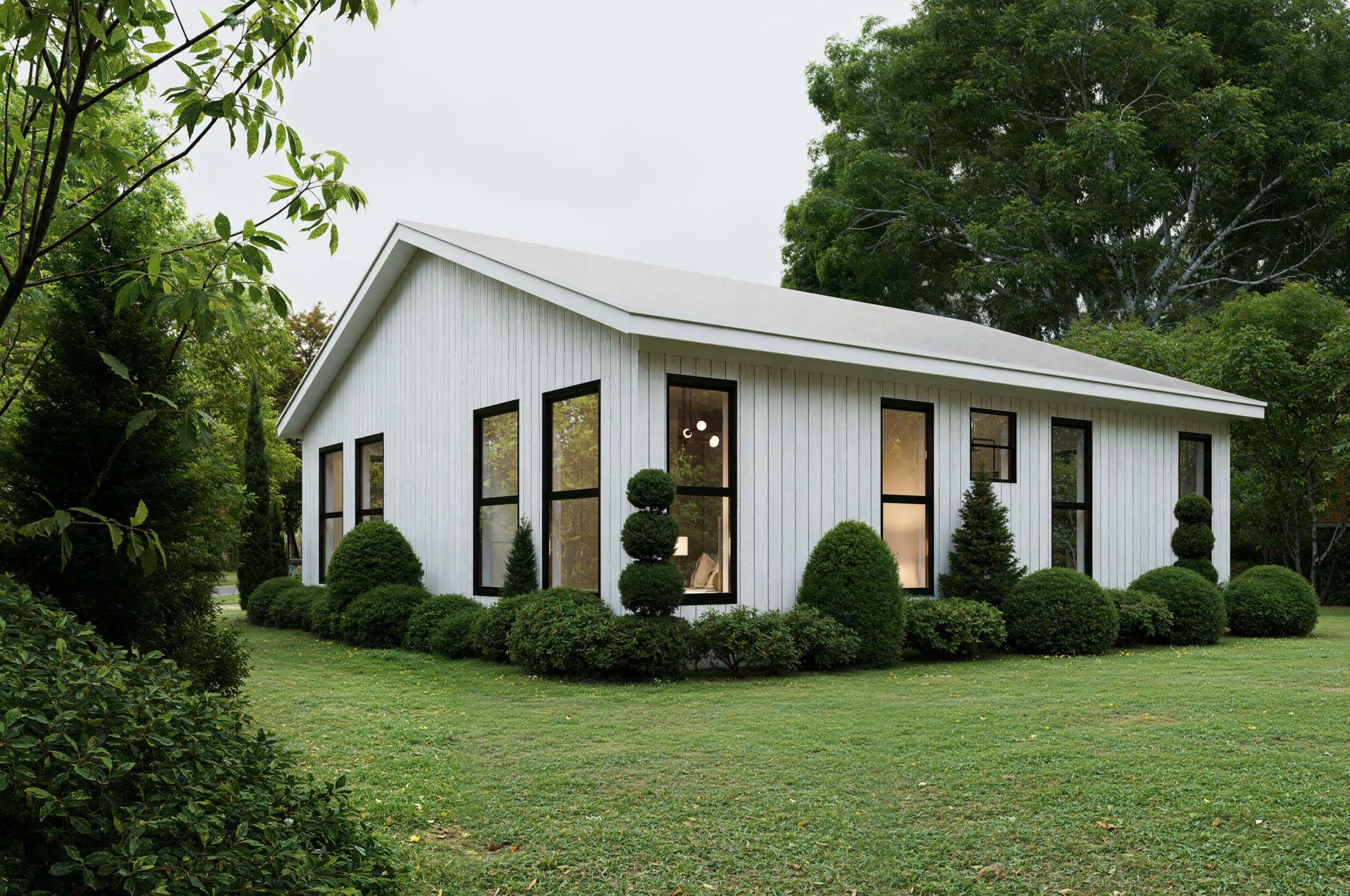
Why Building an ADU in Massachusetts Is a Smart Investment in 2025
ADU Massachusetts 2025
ADU Massachusetts 2025 is redefining homeownership opportunities for residents across the Commonwealth.
With the Affordable Homes Act signed into law by Governor Maura Healey in August 2024,
Accessory Dwelling Units (ADUs) are now permitted by-right statewide.
This historic Massachusetts ADU law, effective February 2, 2025, is transforming how homeowners use their properties,
opening the door to new rental income, multi-generational living, and long-term real estate growth.
Whether you’re planning to build an ADU in Boston or design an
accessory dwelling unit in Worcester, 2025 is the year to take action.
What Exactly Is an ADU?
An Accessory Dwelling Unit (ADU) is a self-contained residential space located on the same property as your main home.
Traditionally known as “in-law apartments,” today’s ADUs offer greater flexibility and modern design options.
Each ADU includes its own kitchen, bathroom, and separate entrance—essentially a complete home on your existing lot.
- Detached cottages built in your backyard
- Garage conversions turning unused areas into livable spaces
- Basement apartments making the most of existing square footage
- Attached additions that blend seamlessly with your main home
With ADU Massachusetts 2025 now active, property owners have multiple options to increase livable space—whether for family, renters,
or as a retirement plan that generates passive income.
The New Massachusetts ADU Law: What You Need to Know
ADU Massachusetts 2025: Transforming Housing Opportunities
On August 6, 2024, Governor Healey signed the Affordable Homes Act (Chapter 150 of the Acts of 2024).
This $5.16 billion housing initiative introduced nearly 50 new policies designed to combat rising housing costs.
Section 8 of this act allows ADUs of up to 900 square feet to be built by-right in single-family zoning districts,
meaning no special permits or variances are required. This legislative change makes creating an
ADU investment 2025 simpler than ever.
Key Requirements for Building an ADU
- Each ADU must include a separate entrance—either directly from outside or via a shared corridor
that complies with state building code egress standards. - The ADU must be no larger than half the gross floor area of the main home or
900 square feet, whichever is smaller. - Units must comply with local design, parking (maximum one space), and safety requirements
as established by municipal ordinances.
What Municipalities Can and Cannot Regulate
The ADU regulations (760 CMR 71.00: Protected Use Accessory Dwelling Units) clearly outline what cities and towns
can and cannot control under ADU Massachusetts 2025:
Municipalities CAN impose reasonable restrictions on:
- Setbacks, building height, and lot coverage
- Site plan review and design standards
- Parking requirements (limited to one space)
- Short-term rental rules
- Building code, fire safety, and stormwater management
Municipalities CANNOT:
- Require owner occupancy of either the main dwelling or the ADU
- Limit ADU occupants to relatives
- Impose minimum lot size restrictions
- Restrict bedroom count beyond state building codes
- Mandate parking beyond one space
- Require special permits for the first ADU
- Charge impact fees or impose deed restrictions
Tracking and Statewide Impact
Municipalities are now required to track all ADU applications, approvals, and certificates of occupancy.
This recordkeeping ensures transparency, monitors the growth of Protected ADUs,
and helps guide future housing policies. The Healey-Driscoll Administration projects that
8,000 to 10,000 additional ADUs will be built statewide in the next five years.
Why Build an ADU? The Benefits Are Compelling
The Massachusetts Executive Office of Housing and Livable Communities identifies multiple advantages of building an ADU.
Here’s why ADU Massachusetts 2025 is such a powerful opportunity for property owners, renters,
and the broader community.
1. Generate Reliable Rental Income
One of the most appealing aspects of an ADU investment 2025 is the potential for
ADU rental income in Massachusetts. This extra revenue stream can help offset mortgage payments,
property taxes, and maintenance costs. In many cases, the rental income from an ADU can cover a significant portion
of your monthly housing expenses.
2. Keep Family in the Community
ADUs offer flexible, affordable options for family members who want to stay close while maintaining independence.
Whether for elderly parents, adult children, or caregivers, these units keep families together without sacrificing privacy.
3. Support Aging in Place
As homeowners age, ADUs provide an ideal setting for downsizing or housing a caregiver nearby.
This arrangement promotes independence while offering comfort, security, and community support.
4. Increase Property Value
The legalization of accessory dwelling units in Massachusetts is already influencing home prices.
Properties with legal ADUs often appraise higher and sell faster.
5. Address the Housing Crisis
ADU Massachusetts 2025 creates affordable and diverse housing options statewide,
reducing pressure on the housing market.
6. Sustainable and Efficient Development
ADUs use fewer resources, consume less energy, and support sustainable growth in urban and suburban areas.
7. Real-World Impact: Special Needs and Inclusive Housing
ADUs provide inclusive, accessible housing solutions for individuals with autism, disabilities, or medical needs,
while keeping them close to family support.
ADU Investment 2025: How to Get Started
- Review local zoning maps: Every city and town must allow ADUs, but design rules may vary.
- Work with a qualified builder: Choose experts familiar with the Massachusetts ADU law.
- Plan your financing: Home equity and renovation loans are common options.
- Estimate your ROI: Most ADUs pay for themselves within a few years.
If you’re ready to explore your ADU Massachusetts 2025 project, visit
newenglandadditions.com
or call (978) 429-3799.
Additional Resources
- Massachusetts ADU Information Page
- ADU Regulations (760 CMR 71.00)
- Contact your local planning department for zoning and permitting details.
Final Thoughts: The Future of Housing in Massachusetts
The future of Massachusetts housing is more flexible, affordable, and accessible than ever.
With ADU Massachusetts 2025, homeowners can unlock new income, support family needs,
and contribute to solving the housing crisis.
Ready to start your ADU journey? Visit
New England Additions.

How Long Do ADU Approvals Take in Major U.S. Cities? (2026 Realistic Timeline Guide)
How Long Do ADU Approvals Take in Major U.S. Cities? (2026 Realistic Timeline Guide) If you’re planning to build an
What Is an ADU? A Complete Guide to Accessory Dwelling Units in the U.S.
What Is an ADU? A Complete Guide to Accessory Dwelling Units in the U.S. What Is an ADU? A Complete